
How to Install Blinds Safely and Securely
- Diane Serra Huelma
- Nov 26, 2025
- 5 min read

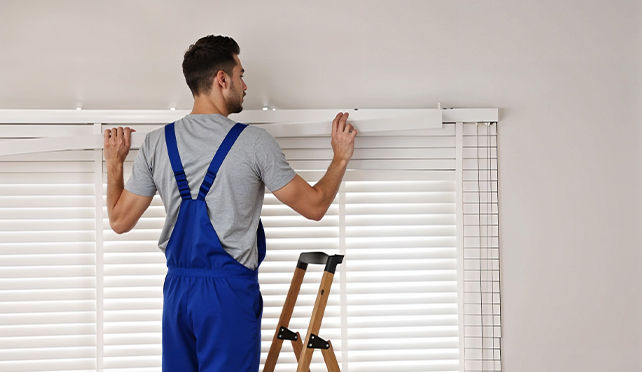
Installing blinds can enhance both the aesthetics and functionality of your home. But, to ensure they not only look great but also operate effectively, proper installation is key. In this guide, you'll learn how to install blinds safely and securely, covering everything from understanding the types of blinds available to the essential tools you'll need, as well as tips to maintain them after installation. Let's jump into the details.
Understanding Different Types of Blinds
Before you start the installation process, it's crucial to understand the different types of blinds available.
Horizontal Blinds
Made of wood, vinyl, or aluminum, these blinds have slats that can be adjusted to control light. They're perfect for bedrooms and living rooms.
Vertical Blinds
Ideal for larger windows and sliding doors, vertical blinds have vertical slats that can be rotated and tugged to one side.
Roller Blinds
These consist of a single piece of fabric that rolls up and down. They come in various materials and are great for kitchens and bathrooms.
Roman Blinds
Made from fabric, these blinds create soft folds when raised. They add a touch of elegance and work well in formal settings.
Cellular Shades
These energy-efficient blinds come in various designs but have a honeycomb structure that traps air, adding insulation to your windows.
Understanding these types will help you choose the right blinds that not only fit your windows but also your decor and lifestyle.
Essential Tools and Materials Needed
Gathering the right tools is crucial for a smooth installation process. Here's what you'll need:
Tools:
Measuring Tape: For accurate measurements of your window.
Level: Ensures that your blinds hang straight.
Drill: A power drill is essential for making holes in the wall or window frame.
Screwdriver: Depending on the type of screws included with your blinds, you may need a Phillips or flat head screwdriver.
Ladder: If you're installing blinds on high windows, a sturdy ladder is necessary.
Materials:
Blinds: Ensure you have the correct size and type.
Mounting Brackets: Usually supplied with your blinds.
Screws and Anchors: If you're mounting on drywall, anchors are essential to provide additional support.
Having these tools and materials ready before you start will save you time and hassle during the installation process.
Preparation Steps Before Installation
Preparing for your blind installation sets the stage for a successful project. Here are the essential steps to focus on:
Measure Your Windows
Accurate measurements are critical. Measure both the width and height of the window, taking three measurements in each direction. Use the smallest measurement for ordering your blinds.
Decide on Mounting Style
You can choose between an inside mount (inside the window frame) or an outside mount (hanging outside the window frame). Each has its benefits: inside mounts provide a cleaner look, while outside mounts can create the illusion of larger windows.
Clear the Area
Make sure to clear any furniture or obstacles away from the window. This will ensure a safer work environment and provide easy access to the area you are working on.
Read the Instructions
Before starting, take the time to read the installation instructions specific to your blinds. Installation processes can vary.
Step‑by‑Step Installation Process
Once you’ve prepared your space and gathered the tools, you’re ready to begin. While specific instructions may vary depending on the type of blinds, most installations follow these general steps:
1. Mark the Bracket Locations
Hold the brackets up to the window frame (inside mount) or wall (outside mount).
Use a pencil to mark the screw holes, ensuring they’re level and evenly spaced.
2. Drill Pilot Holes
Using your drill, create small pilot holes where you marked the bracket positions.
This helps prevent splitting wood or damaging drywall.
3. Attach the Mounting Brackets
Secure the brackets with screws (and anchors if needed).
Double‑check with a level to ensure they’re straight.
4. Install the Headrail or Blind Assembly
Snap or slide the headrail into the brackets until it clicks securely.
For vertical blinds, attach the track first, then hang the slats.
5. Add the Wand or Cord Mechanism
Attach the tilt wand or cord system according to the manufacturer’s instructions.
Test the mechanism to ensure smooth operation.
6. Secure the Valance (Optional)
Many blinds include a decorative valance to cover the headrail.
Clip or slide it into place for a finished look.
Why Choose Us
At The Handyman San Diego, we’re proud to be the go‑to experts for blind installation in the area. Our team combines precision, professionalism, and a friendly approach to ensure your blinds not only look great but also function perfectly. Beyond window treatments, we also specialize in electrical work, flooring, painting, and more, making us your one‑stop solution for home improvement projects.
Whether you’re refreshing a single room or upgrading your entire home, we bring the skills and reliability you need to transform your space with confidence.
Conclusion
Installing blinds may seem like a small project, but it can make a big impact on both the look and comfort of your home. By understanding the different types of blinds, gathering the right tools, and following a careful step‑by‑step process, you’ll ensure your blinds not only fit beautifully but also function smoothly for years to come.
Remember, preparation is just as important as the installation itself—accurate measurements, choosing the right mounting style, and clearing your workspace all set the stage for success. Once installed, a little ongoing care, such as regular cleaning and checking mechanisms, will keep your blinds in top condition.
Don’t let improper installation hold back the look and function of your blinds. At The Handyman San Diego, we’re your go‑to team for professional blind installation that’s safe, secure, and stylish.
Contact us to schedule your blinds installation and enjoy perfectly fitted blinds that elevate your home.
Frequently Asked Questions
How do I safely install blinds in my home?
To install blinds safely, ensure you measure your windows accurately, choose a suitable mounting style, clear the workspace, and read the installation instructions carefully before starting.
What types of blinds are available for installation?
The main types of blinds include horizontal blinds, vertical blinds, roller blinds, Roman blinds, and cellular shades, each offering unique aesthetics and functionality.
What tools do I need to install blinds securely?
Essential tools for installing blinds include a measuring tape, level, drill, screwdriver, and a sturdy ladder for high windows.
Can I install blinds on my own, or do I need a professional?
You can install blinds on your own by following the proper steps and instructions. However, for complex window types or heights, hiring a professional might be beneficial.
What are the benefits of using inside vs. outside mount for blinds?
An inside mount provides a cleaner look and fits neatly within the frame, while an outside mount can make windows appear larger and is helpful for special installations.
How can I maintain my blinds after installation?
To maintain your blinds, regularly dust them with a soft cloth, clean any stains with a damp sponge, and ensure all moving parts operate smoothly to prolong their lifespan.


Comments