
How to Replace Carpet After Water Damage

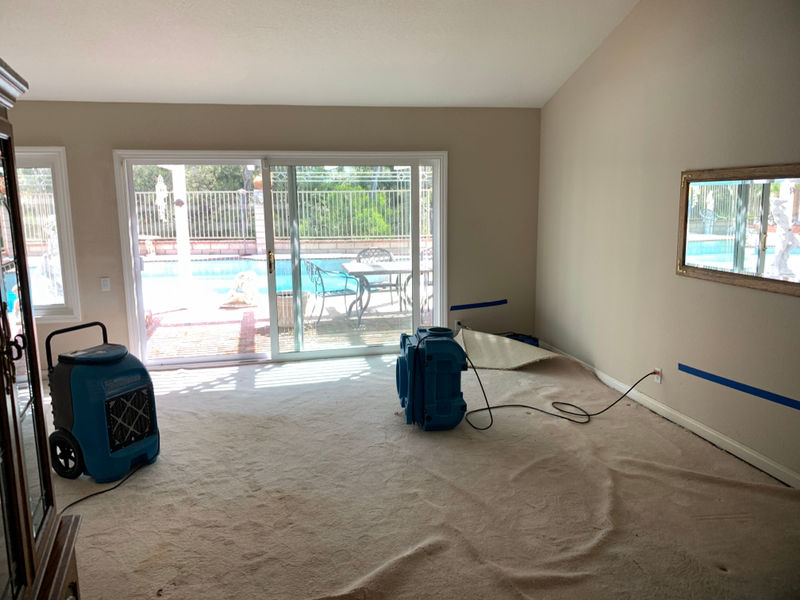
Water damage to carpet is stressful: the soggy smell, the soggy carpet itself, and the worry about mold and ruined flooring. If you're reading this, you likely already know the carpet can't stay wet for long. This guide walks you through how to replace carpet after water damage in clear, practical steps, from assessing safety to choosing new materials and deciding whether to DIY or hire a pro. You'll learn when to repair vs. replace, how to remove soaked carpet and padding without making things worse, and how to restore the subfloor so your new carpet looks and lasts as it should.
Assess The Damage And Ensure Safety
Start with safety. Before you touch anything, determine the water source and whether electricity is a hazard. If the water came from a clean source (a burst pipe), you still need to shut off power to the affected room if outlets or wiring were exposed. If the water is from sewage, floodwater, or contains contaminants, treat it as a biohazard: leave cleanup to professionals.
What to inspect first:
Visual signs
Bubbling, stains, warped edges, visible mold, or a persistent odor.
Moisture level
Use a moisture meter if you have one: carpets should return to near-normal within 24–48 hours after drying.
Duration
How long the carpet was wet is critical. Carpets wet for more than 24–48 hours have a much higher risk of mold and may require replacement.
Documentation: Take photos and notes for your insurance claim before you remove anything. Many insurers require proof of the condition before you start remediation.
Personal protective equipment (PPE): wear gloves, eye protection, and an N95 respirator when dealing with wet, dirty materials. If mold is visible and extensive, call a mold remediation specialist.
When To Call A Pro Immediately
Floodwater or sewage contamination.
Structural damage to subfloor or joists.
Large areas (more than 200–300 sq ft) or water present for more than 48 hours.
Once it's safe, you can move to deciding whether to repair or replace.
Decide Whether To Repair Or Replace
Not every wet carpet needs replacement. Use these practical criteria to decide:
Replace if:
The carpet or padding soaked for longer than 24–48 hours.
There's visible mold or mildew, or a persistent, musty odor after drying.
The contamination was from sewage, floodwater, or other unsanitary sources.
The carpet fibers are distorted, discolored, or the backing is delaminated.
Repair (or attempt restoration) if:
The water was clean (e.g., a recent, small pipe leak) and you can dry the carpet within 24–48 hours.
No odor, staining, or mold is present.
Padding is intact and the carpet backing looks sound.
Cost considerations: often, padding needs replacement even when the carpet can be salvaged. Padding is inexpensive compared to carpet replacement, but if the carpet was already old or mismatched, full replacement makes more sense. Also factor labor, disposal, and potential subfloor repair into your decision.
If you choose to replace, proceed to removal quickly. Delay increases mold risk and potential structural damage.
Remove The Damaged Carpet And Padding
Removing the damaged carpet and padding carefully reduces the spread of contamination and exposes the subfloor for inspection.
Tools you'll need:
Utility knife with extra blades
Pry bar and pliers
Knee pads and work gloves
Heavy-duty contractor trash bags or a dumpster
Staple puller or flat-head screwdriver
Tape and marker for labeling salvageable pieces
Step-by-step removal:
Cut and section: start by cutting the carpet into manageable strips (3–4 feet wide). This makes lifting and carrying easier and minimizes dragging wet material across dry areas.
Roll as you lift: roll each strip inward (carpet-facing in) to contain dirt and moisture. Wrap in plastic or place in contractor bags immediately.
Remove tack strips and transition pieces: use a pry bar to lift tack strips, wear gloves, they're sharp. Remove metal transitions to reveal the perimeter of the subfloor.
Pull padding: padding is often stapled. Cut and roll it up and bag separately. Padding retains water and contaminants and should usually be discarded.
Pull staples and nails: use a staple puller or screwdriver to remove fasteners so you can inspect the subfloor.
Containment tips:
Seal doorways with plastic sheeting if you suspect contamination to avoid spreading spores or sewage.
Double-bag heavily soiled materials and label them if required by disposal rules in your area.
After removal, inspect the subfloor thoroughly: note discoloration, soft spots, mold, or warping. Those determine the drying and repair steps next.
Dry, Clean, And Repair The Subfloor
Properly restoring the subfloor is the most important step for a successful carpet replacement. Moisture trapped in the subfloor will ruin any new carpet quickly.
Drying
Drying should be done using high-capacity air movers and dehumidifiers. Fans should be placed angled along the floor so air flows across the surface and underneath any raised areas. For plywood or OSB subfloors, drying should continue until moisture readings return to normal levels, generally below 12–15% depending on the wood type; a moisture meter is the best way to confirm this.
If the subfloor shows slight warping or cupping, it’s important to let it dry completely before attempting repairs, since installing carpet over a damp or warped subfloor often leads to bumps, unevenness, and lingering odors later on.
Cleaning And Disinfecting
Cleaning and disinfecting depends on the type of water involved. In clean-water incidents, the subfloor should be scrubbed with a detergent solution, rinsed thoroughly, and allowed to dry. If the surface allows, this can be followed with a mild disinfectant such as a bleach solution mixed at one cup of bleach per gallon of water, making sure the area is well ventilated. For contaminated water situations like sewage backups or flooding, disinfecting becomes much more aggressive.
Many experts recommend removing and replacing the subfloor entirely in these cases. If removal is not done, EPA-registered disinfectants should be used, and local building codes should be consulted to ensure compliance.
Repairs
Repairs should address both damage and surface flatness. Any soft, swollen, or delaminated sections of the subfloor should be cut out and replaced, with new plywood or OSB panels sistered in place and secured using screws rather than nails for a stronger, longer-lasting hold.
Once repairs are made, the surface should be leveled by sanding down high spots and filling low areas with a floor-leveling compound, since even minor unevenness can telegraph through the carpet. Finally, all subfloor fasteners and joists should be checked to confirm there is no structural rot; any joists with compromised integrity should be replaced before new flooring is installed.
Moisture Prevention
Address the root cause, fix leaks, improve drainage, or adjust HVAC to control humidity. Consider adding a vapor barrier or using mold-resistant subfloor materials in high-risk areas.
Once the subfloor is dry, clean, and structurally sound, you're ready to pick new carpet and materials.
Choose Replacement Carpet And Materials
Selecting the right carpet and underlayment matters for durability and future resistance to moisture.
Carpet choices after water damage:
Nylon: durable and dries relatively quickly: a good all-around choice for active households.
Polyester: stain-resistant and budget-friendly, but can mat faster in high-traffic areas.
Olefin (polypropylene): highly water-resistant and quick to dry. Often used in basements and low-cost options: but, it can crush under heavy furniture.
Padding (underlay):
Don't reuse padding. Choose a new pad with appropriate density: 6–8 lb density is common for residential use, but high-traffic areas benefit from denser pads.
If moisture was a concern, select a closed-cell foam pad or one specifically labeled moisture-resistant for basements.
Install The New Carpet Or Hire A Pro
Installing new carpet is possible if you have basic carpentry skills, but it’s labor-intensive and requires precision to achieve a polished, professional look.
Diy Installation Basics
A proper installation requires specialized tools, including a knee kicker, power stretcher (especially for wider rooms), seam iron, utility knife, tack strip cutter, staple gun, and quality knee pads. Begin along the longest wall and work across the room, stretching the carpet carefully to prevent wrinkles or looseness. Seams must be joined with seam tape and a seam iron according to the manufacturer's instructions, as poorly executed seams are the most noticeable DIY mistake. Finish by trimming excess carpet, tucking it into the tack strips, and reinstalling baseboards or transition strips.
When To Hire A Professional
Professional installation is strongly recommended for large rooms, stairs, patterned carpet, or complex layouts where appearance and durability matter most. Pros use power stretchers and proven techniques that reduce the risk of wrinkles and premature wear. Many carpet manufacturers also require professional installation to keep warranties valid.
A Reliable Local Option
If you’re looking for a trusted professional, The Handyman San Diego offers expert carpet installation along with a wide range of home improvement services. In addition to flooring work, we handle carpentry, interior and exterior painting, home exterior services, and garage repairs or upgrades—making us a convenient choice if your project involves more than just carpet. Working with one experienced team can save time, reduce costs, and ensure consistent quality throughout your home.
After Installation
Ventilate the room for 48–72 hours and avoid placing heavy furniture for several days to allow the carpet and adhesives to settle properly. Using furniture coasters under heavy pieces helps prevent indentations. A well-executed installation ensures your new carpet looks great and performs well for years to come.
Conclusion
Knowing how to replace carpet after water damage puts you back in control. The process is straightforward: assess and document the damage, decide whether to repair or replace, remove affected materials safely, fully dry and restore the subfloor, then install new carpet properly or hire a trusted professional. Safety and moisture control should always come first—fix the source of the water or the problem will return. If mold or contamination is present, professional remediation is often the safest and fastest solution for protecting your home and health.
At The Handyman San Diego, we help homeowners handle carpet replacement after water damage and offer additional services like carpentry, painting, home exterior work, and garage improvements—so everything gets done right the first time.
Don’t wait for damage to worsen. Contact us today to schedule a carpet inspection or get a quote and restore your home with confidence.
Frequently Asked Questions
How to replace carpet after water damage — what should I do first?
Start with safety: identify the water source and shut off electricity if outlets were exposed. Document damage with photos for insurance, wear PPE (gloves, eye protection, N95), and determine contamination type. If sewage, large area, or structural issues exist, call a professional before removing materials.
When should I replace carpet and padding after water damage?
Replace if the carpet or padding was wet longer than 24–48 hours, shows visible mold, persistent musty odor, backing delamination, or if contamination came from sewage or floodwater. Padding is often discarded even when carpet might be salvaged because it retains moisture and contaminants.
What carpet types are best after water damage?
Choose water-tolerant fibers: nylon is durable and dries relatively quickly; olefin (polypropylene) resists moisture and dries fast for basements; polyester is budget-friendly but mats more easily. Pair with a moisture-resistant or closed-cell foam pad in high-risk areas to reduce future mold risk.
Will homeowner's insurance cover replacing carpet after water damage?
Coverage depends on the cause: sudden, accidental clean-water events (like a burst pipe) are often covered, while neglected damage or flood/sewage typically isn’t. Document damage with photos, keep receipts, and contact your insurer promptly — policies and exclusions vary, so confirm specifics with your carrier.
How much does it typically cost to replace carpet after water damage?
Costs vary by carpet quality, room size, and subfloor repairs. Expect basic carpet and pad replacement to range widely—hundreds to over a thousand dollars for average rooms; add costs for subfloor repair, disposal, or professional remediation. Get multiple estimates and factor in waste allowance and labor.


Comments