
How to Repair Common Furniture Issues
- Diane Serra Huelma
- Nov 14, 2025
- 5 min read

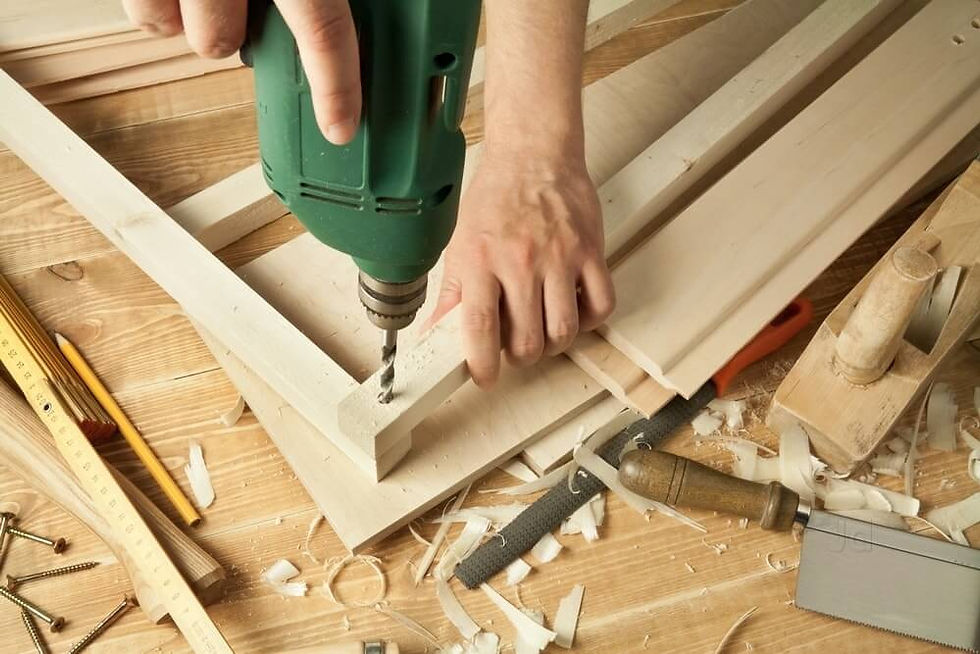
Furniture can be a big investment in your home, yet it's not uncommon for it to suffer from wear and tear over time. Whether it's a cherished family heirloom or a more modern piece, knowing how to address common issues can save you money and prolong the life of your furniture. In this guide, we'll explore practical solutions for the most frequently encountered furniture problems and help you restore your pieces to their former glory.
Identifying Common Furniture Problems
When it comes to maintaining your furniture, the first step is to identify the issues. Here are some common problems to look out for:
Wobbly Legs and Unstable Furniture
Wobbly legs can make a piece of furniture look unsightly and can lead to further damage. Typically, this is due to loose screws or wood joints. Before you start repairs, check if the wobble is caused by uneven flooring. If not, inspect the legs and tighten screws as needed. If the problem persists, consider using wood glue to reinforce joints or adding felt pads under the legs to stabilize the piece.
Scratches and Dents on Surfaces
Surface damage like scratches and dents can ruin the aesthetic of your furniture. For minor scratches, you can often use a wood polish or a colored marker designed for furniture touch-ups. For deeper scratches, a walnut (yes, the nut.) can work wonders: simply rub it over the scratch, allowing the natural oils to fill the blemish. For dents, try placing a damp cloth over the area and applying heat with an iron to encourage the wood to swell back into shape.
Broken Drawer or Cabinet Mechanisms and Hardware
If drawers stick or won't open, it could be due to misaligned tracks or broken hardware. Start by removing the drawer and examining the slides. If they're misaligned, adjust them back into place. If hardware is broken, make a trip to your local hardware store for replacements. Often, it can be a simple swap that restores full functionality to your furniture.
Upholstery Damage and Wear
Upholstery can show signs of wear far sooner than solid timber pieces, and different furniture types require different approaches to keep them looking good. At The Handyman San Diego, we handle upholstery concerns with the same level of skill we bring to our carpentry work, all completed with care and precision. We also provide a wide range of home improvement services for homeowners across San Diego.
Repairing Wood Furniture
With timber furniture, scratches and dents often affect nearby upholstery as well. Start by using a fabric cleaner suited to your upholstery type to treat stains or marks. If the fabric is lightly frayed, re-stitching small tears or using a patch kit in a matching colour can give the piece a fresh look. When damage is more extensive, calling in a professional for reupholstery is a practical option.
Our team can guide you on whether repair or replacement offers better long-term value.
Fixing Upholstered Furniture
Chairs and sofas that sag over time can often be revived with new filling. Foam inserts or polyester stuffing from a craft store can help bring back firmness and support. If your fabric has faded, using a fabric refresher spray may help lift the colour. Alternatively, changing the upholstery with a new fabric remnant can give the entire piece a renewed look.
Whether you need help with furniture repairs, carpentry, painting, drywall work, or home exterior improvements, The Handyman San Diego is ready to take care of it with expert craftsmanship.
Refreshing Finishes and Stains
Every few years, your wooden furniture may need a fresh finish. This not only protects the wood but also enhances its appearance. Here's how to do it:
Clean the Surface: Start with a thorough cleaning using a wood cleaner or a mild soap solution to remove dirt and grime.
Sanding: Lightly sand the surface with fine-grit sandpaper to prepare it for a new finish.
Applying Finish: Choose a stain or varnish that matches your existing furniture. Apply evenly using brushes or cloths and allow to dry between coats.
Buffing: Once dry, buff the surface to achieve a smooth and shiny finish. Regular maintenance of your furniture finishes can keep them looking new for years.
Preventive Maintenance Tips for Furniture
Prevention is often better than cure, especially for furniture care. Carry out these proactive tips to keep your furniture in top shape:
Regular Cleaning: Dust and clean your furniture regularly to avoid build-up that can lead to scratches and stains.
Use Coasters and Mats: Prevent water rings and heat damage by using coasters under drinks and mats under hot dishes.
Avoid Direct Sunlight: Position your furniture away from direct sunlight to prevent fading and warping.
Periodic Inspections: Regularly check for loose screws, cracks, or worn upholstery. Timely interventions can prevent bigger issues down the line.
Conclusion
Furniture repair doesn't have to be intimidating. With a little knowledge and the right tools, you can tackle many common issues yourself, saving money and maintaining the beauty of your home. Whether you're tightening legs, refreshing finishes, or addressing upholstery wear, staying proactive with care will extend the life of your beloved pieces. By incorporating regular maintenance habits, you'll ensure that your furniture remains a source of pride for years to come.
If your furniture needs more than a quick fix, our team at The Handyman San Diego is ready to help. From expert carpentry to upholstery touch-ups, we bring skill and care to every project.
Get in touch with us today to restore your furniture with confidence.
Frequently Asked Questions
How can I fix wobbly furniture legs?
To repair wobbly legs, check for loose screws or wood joints. Tightening the screws might resolve the issue; if not, use wood glue on joints or add felt pads for stabilization.
What are the best ways to remove scratches from wooden furniture?
For minor scratches, use wood polish or a furniture touch-up marker. Deeper scratches can be fixed with a walnut, which fills in blemishes with natural oils.
Can I fix upholstery damage myself?
Yes, you can fix upholstery damage by using a fabric cleaner for stains and re-stitching small tears. For sagging cushions, consider adding foam inserts for support.
What steps should I take for refreshing my furniture finishes?
To refresh finishes, clean the surface, lightly sand with fine-grit sandpaper, apply a matching stain or varnish evenly, and buff once dry to achieve a smooth finish.
How can preventive maintenance help my furniture last longer?
Regular cleaning, using coasters, avoiding direct sunlight, and periodic inspections can prevent scratches and damage, ensuring your furniture stays in excellent condition.
When should I consider professional reupholstery services?
Consider professional reupholstery if the damage to your upholstered furniture is extensive, beyond a simple fix, or if you want to change the fabric style entirely.


Comments